
Which Permits Are Needed to Build a Residential Property in Kenya?
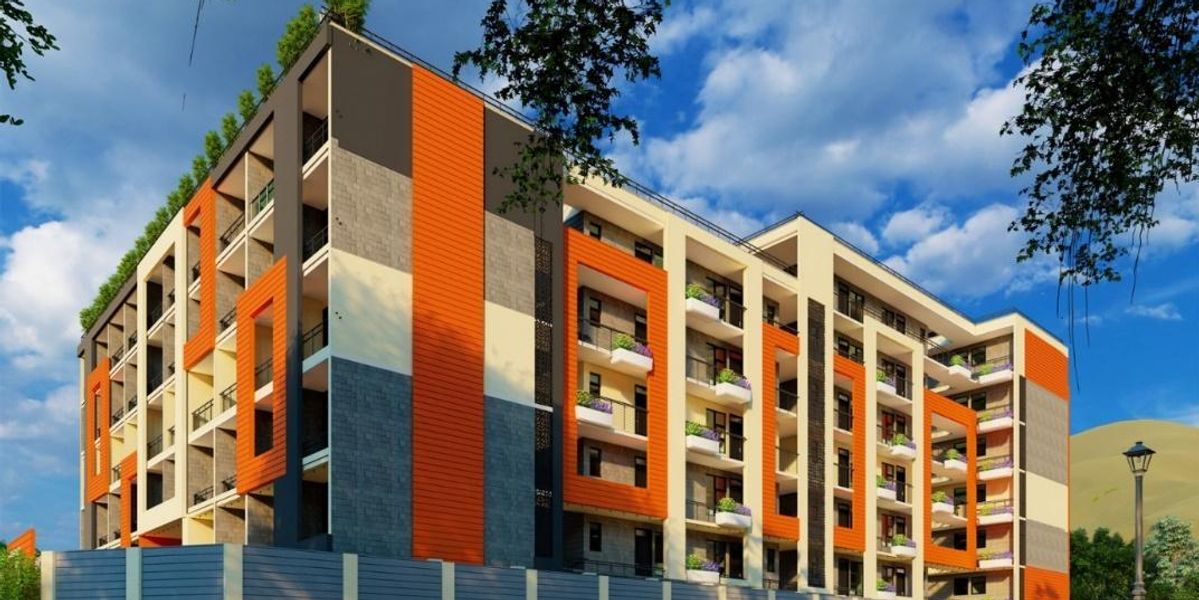
Building a home in Kenya requires more than buying land and hiring a contractor. Before construction can legally begin, you must obtain several permits and approvals from different government agencies.
The most important approvals include county building plan approval, registration with the National Construction Authority (NCA), and, where required, an Environmental Impact Assessment (EIA) licence from NEMA. You will also need supporting documents such as a title deed, land search, land rates clearance certificate, and, once construction is complete, an occupancy certificate.
Each permit has its own process, cost, and timeline. County plan approval in places such as Nairobi often costs around 0.5% of the construction value and may take several weeks to several months. NCA project registration is normally free and is often completed within a week, while a NEMA EIA licence usually costs 0.1% of the project value.
If you build without these approvals, you risk stop-work notices, fines, court cases, or even demolition of the building. This guide explains every permit needed to build a residential property in Kenya, how to apply, what it costs, and how to avoid delays.
Required Permits and Approving Agencies
When constructing a residential property in Kenya, you will usually need the following permits and approvals:
County Building Plan Approval
This is the main approval required before construction begins. It is issued by the county government where the property is located, usually through the Physical Planning or Lands Department.
To obtain this permit, you must submit:
- Architectural drawings prepared and signed by a registered architect
- Structural drawings signed by a registered engineer
- A copy of the title deed or lease
- An official land search
- Land rates clearance certificate
- Site plan or survey map
- Copies of the consultants’ practising licences
The county reviews the drawings to ensure the project complies with zoning laws, plot ratios, building lines, setbacks, and structural standards.
NEMA Environmental Impact Assessment (EIA) Licence
Not every residential project requires a full EIA licence. A single 3-bedroom house in a normal residential area may only require a simple project report or no EIA at all.
However, if you are building:
- A block of apartments
- Several houses on one plot
- A maisonette estate
- A house near a river, forest, wetland, or protected area
- A project in an environmentally sensitive location
then you may need approval from the National Environment Management Authority (NEMA).
The EIA process is meant to assess whether the project will affect the surrounding environment, drainage, neighbours, roads, or utilities.
National Construction Authority (NCA) Registration
Projects above a certain value, usually around KSh 5 million and above, must be registered with the National Construction Authority.
This process ensures that:
- The contractor is properly licensed
- The project is supervised by qualified professionals
- Construction standards are followed
The registration itself is free, but you must upload the approved plans, bill of quantities, consultant details, and contractor licence information.
Land Rates Clearance Certificate
Before the county can approve your building plans, it will require proof that all land rates have been paid.
The land rates clearance certificate is obtained from the county revenue office. If there are outstanding rates or penalties, these must be cleared first.
Official Land Search
An official search from the Ministry of Lands confirms that you are the legal owner of the property and shows whether there are any caveats, loans, or disputes attached to the title.
Most counties will only accept a recent land search, usually not older than six months.
Utility Connection Permits
After the main approvals are complete, you may need additional permits to connect the property to:
- Water
- Sewer lines
- Electricity
- Boreholes or septic systems
These are usually issued by the relevant service providers such as Kenya Power, county water companies or water resource authorities.
Occupancy Certificate
Once the house is complete, the county government may inspect the building and issue an occupancy certificate.
This certificate confirms that the property was built according to the approved plans and is safe to occupy.
Without it, you may have difficulty selling, renting, or insuring the property later.
Step-by-Step Permit Application Process
The permitting process can feel overwhelming, especially for first-time homeowners. The easiest way to manage it is to follow the approvals in the correct order.
1. Secure Your Land Documents
Start by obtaining:
- Copy of the title deed or lease
- Official land search
- Land rates clearance certificate
- Survey map or beacon certificate
Without these documents, you cannot submit plans for approval.
2. Hire a Registered Architect and Engineer
Your building plans must be prepared by licensed professionals. Counties do not accept drawings from unregistered designers.
The architect prepares the architectural plans, while the engineer prepares the structural drawings.
3. Submit Plans to the County Government
After the drawings are complete, your architect submits them to the county through the county planning office or an online portal.
You will usually need to attach:
- Completed application forms
- Architectural and structural drawings
- Title deed
- Land search
- Rates clearance certificate
- Consultants’ licences
The county then reviews the application and may request revisions.
4. Register the Project with NCA
If your project value exceeds the threshold, register it online with the NCA.
The process usually takes a few days and can be done while the county is reviewing the building plans.
5. Apply for NEMA Approval if Required
Where the project requires environmental approval, an EIA consultant prepares a report and submits it to NEMA.
The review process may take anywhere from a few days to several weeks, depending on the size and location of the project.
6. Begin Construction and Allow Inspections
After approval, construction can begin.
During the project, county officials or NCA inspectors may visit the site to inspect key stages such as:
- Foundation excavation
- Slab casting
- Walling
- Roofing
- Final finishes
7. Apply for the Occupancy Certificate
Once construction is complete, request a final inspection.
If everything matches the approved plans, the county will issue an occupancy certificate.
Typical Timelines for the Main Permits
The approval period depends heavily on the county, the quality of the documents submitted, and whether revisions are required.
| Permit | Typical Timeline |
|---|---|
| County building plan approval | 1–4 months |
| NCA registration | 3–7 days |
| NEMA EIA approval | 5–90 days |
| Land search | Same day to 2 days |
| Land rates clearance | 2–14 days |
| Utility connections | 1–3 weeks |
| Occupancy certificate | 2–4 weeks |
Counties with online approval systems, such as Nairobi and Nakuru, are usually faster than counties still using manual paperwork.
Permit Fees and Typical Costs
The cost of permits depends on the county and the size of the project.
County building plan approval in Nairobi generally costs around 0.5% of the estimated construction value. For example, if your house costs KSh 8 million to build, you may pay around KSh 40,000 for plan approval.
NEMA charges approximately 0.1% of the project value for an EIA licence, subject to a minimum fee.
Other common costs include:
- Land search: around KSh 500 to KSh 1,000
- Occupancy certificate: approximately KSh 10,000 to KSh 20,000
- Sewer connection: around KSh 7,500
- Water connection application: around KSh 5,000
- Electricity connection: from approximately KSh 15,000, depending on distance and infrastructure
Although these costs may seem small compared to the total construction budget, they should still be included in your planning from the beginning.
Common Reasons Permit Applications Are Rejected
Many projects are delayed because the submitted documents are incomplete or because the design does not meet county requirements.
The most common reasons for rejection include:
- Missing or expired land search documents
- Unpaid land rates
- Drawings signed by unregistered professionals
- Building too close to the road or plot boundary
- Exceeding the allowed plot ratio or number of floors
- Submitting inconsistent measurements across different drawings
- Attempting to build on land that is not approved for residential use
To avoid delays, work with professionals who understand the county approval process and double-check every document before submission.
What Happens if You Build Without Permits?
Building without permits is risky and often more expensive in the long run.
County governments can:
- Stop construction immediately
- Issue fines and penalties
- Refuse to connect water or electricity
- Deny you an occupancy certificate
- Demolish the structure if it violates planning rules
In some cases, homeowners are forced to redesign or partially demolish completed sections of the building to meet county regulations.
The safest approach is to secure all approvals before any excavation or construction begins.
Regional Differences Across Kenya
The permit process varies depending on the county.
Nairobi, Nakuru, and Mombasa have more developed online systems, making it easier to submit plans and pay fees electronically. In Nairobi, many applications can be submitted through the county portal or eCitizen.
Smaller counties may still rely on manual paperwork and physical office visits. In these counties, approvals often take longer and may require more follow-up.
Because each county has slightly different requirements, it is important to work with a contractor or consultant who understands the local process.
Homeowner and Contractor Permit Checklist
Before construction begins, confirm that you have all of the following:
- Title deed or lease copy
- Recent official land search
- Land rates clearance certificate
- Survey map or site plan
- Architectural drawings
- Structural drawings
- Copies of consultant licences
- County building approval
- NCA registration
- NEMA approval if required
- Utility connection applications
- Copies of all receipts and approval letters
Keeping both digital and printed copies of every document will make it easier to respond to inspections and avoid delays.
Conclusion
Getting the right permits is one of the most important parts of building a residential property in Kenya. While the process may appear complicated, most delays and frustrations can be avoided by starting early, preparing the correct documents, and working with experienced professionals.
County plan approval, NCA registration, and, where necessary, NEMA approval are not optional. They protect you from legal problems, help ensure the house is built safely, and make it easier to occupy, sell, or finance the property later.
If you are planning to build a home, the best approach is to work with a contractor or architect who can handle the approvals on your behalf and guide you through the process from start to finish.